Korean Bibimbap
Highlighted under: Inspired Food
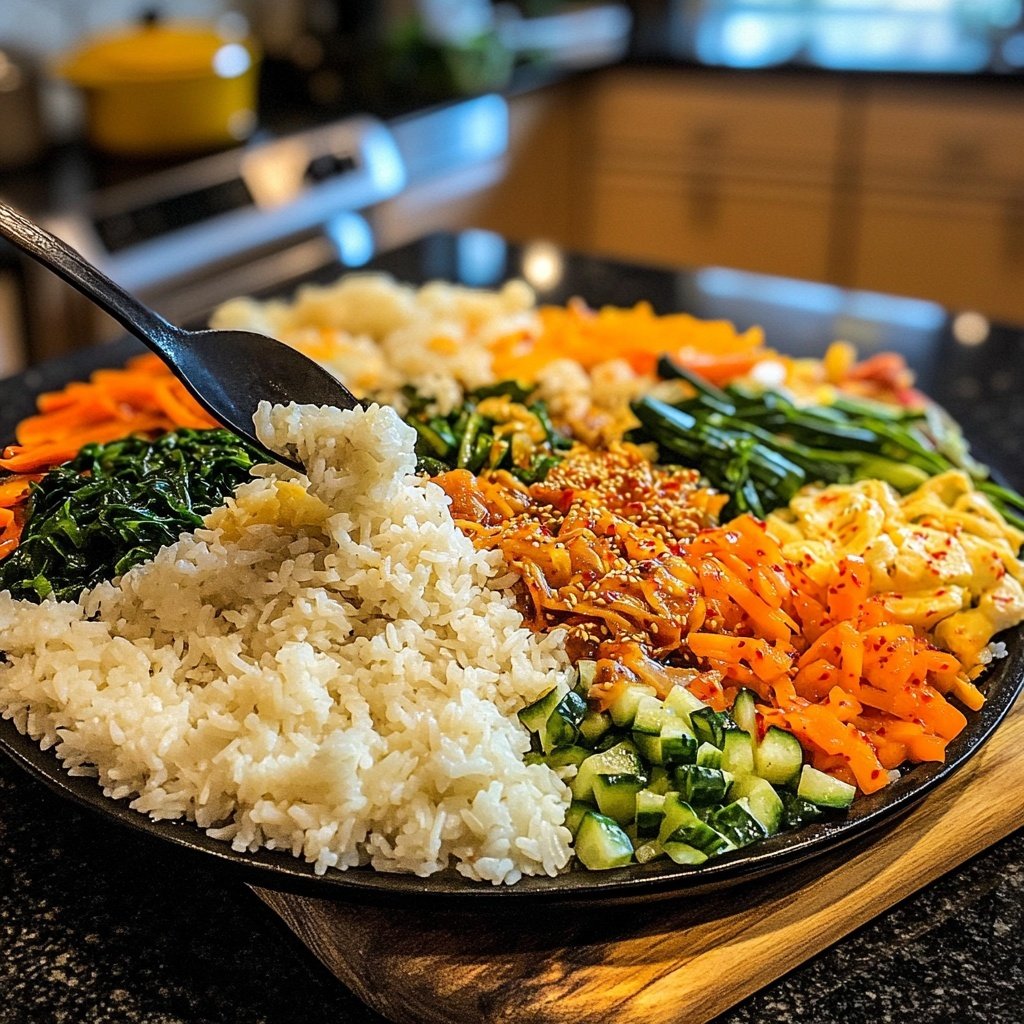
Discover the vibrant and flavorful world of Korean Bibimbap, a delightful rice dish topped with an array of vegetables, meat, and a fried egg.
Korean Bibimbap is not just a meal; it's a colorful representation of Korean cuisine and culture. Each ingredient contributes to a delightful medley of flavors and textures.
Why You Will Love This Recipe
- A harmonious blend of fresh vegetables and savory meat
- Customizable to suit your taste preferences and dietary needs
- A feast for the eyes and the palate, perfect for sharing
The Essence of Bibimbap
Bibimbap is not just a meal; it's an experience that reflects the core of Korean culinary traditions. The name itself translates to 'mixed rice', which perfectly encapsulates the dish's essence. Originating from ancient royal cuisine, it has evolved into a beloved comfort food among Koreans and food enthusiasts worldwide. Each bite of bibimbap is a delightful medley of flavors, textures, and colors that showcases the beauty of fresh ingredients.
What makes bibimbap truly special is its versatility. You can tailor it to your taste preferences or dietary restrictions, whether you're a meat lover, vegetarian, or vegan. The vibrant array of vegetables and protein options means there's something for everyone, making it an excellent choice for family meals or gatherings with friends.
The Importance of Fresh Ingredients
Using fresh, high-quality ingredients is key to achieving an authentic bibimbap experience. The dish typically features a colorful assortment of vegetables, which are not only visually appealing but also packed with nutrients. From crunchy bean sprouts to tender spinach and earthy shiitake mushrooms, each component adds its unique flavor and health benefits. The freshness of these ingredients elevates the dish, making it not just a meal but a wholesome and nutritious choice.
Incorporating seasonal vegetables can enhance the dish's flavor profile. Consider visiting local farmer's markets to find the best produce. This not only supports local agriculture but also ensures that you are using the freshest ingredients available. The combination of fresh vegetables and savory proteins creates a balanced meal that is sure to satisfy.
Serving and Enjoying Bibimbap
Bibimbap is traditionally served in a hot stone bowl, known as 'dolsot', which gives the rice a delightful crispy texture at the bottom. However, it can also be served in a regular bowl if you don't have a dolsot. When serving, the dish is often accompanied by a variety of side dishes, or 'banchan', which can include pickled vegetables, kimchi, and more. These sides complement the main dish and add extra layers of flavor.
To enjoy bibimbap to its fullest, it's recommended to mix all the ingredients together before eating. This allows the flavors of the vegetables, meat, and gochujang to meld harmoniously. The process of mixing also creates a fun and interactive dining experience, making it a fantastic option for sharing with family and friends.
Ingredients
For the Bibimbap
- 2 cups cooked white rice
- 1 cup spinach, blanched
- 1 cup bean sprouts, blanched
- 1 carrot, julienned
- 1 zucchini, julienned
- 1 cup shiitake mushrooms, sliced
- 4 eggs
- 1/2 pound ground beef or tofu
- 2 tablespoons gochujang (Korean chili paste)
- Sesame oil
- Soy sauce
- Salt and pepper
Mix and match the toppings to create your perfect bibimbap bowl!
Instructions
Prepare the Vegetables
In a skillet, sauté the zucchini, carrots, and shiitake mushrooms separately in a little sesame oil until tender. Season with salt and pepper.
Cook the Ground Beef or Tofu
In the same skillet, cook the ground beef or tofu until browned. Add soy sauce and mix well.
Fry the Eggs
In another pan, fry the eggs sunny-side up, keeping the yolk runny.
Assemble the Bibimbap
In a bowl, place a serving of rice, then top with the sautéed vegetables, meat, and a fried egg. Drizzle with gochujang and sesame oil.
Serve
Mix everything together before eating for the best flavor experience!
Enjoy your homemade Korean Bibimbap!
Pro Tips
- Feel free to add or swap any vegetables based on your preference. For a vegetarian version, omit the beef and add more vegetables or tofu.
Tips for Perfect Bibimbap
To achieve the best flavor in your bibimbap, make sure to season each component as you cook. A little salt and pepper on the sautéed vegetables can bring out their natural sweetness and enhance the overall taste of the dish. Additionally, using high-quality gochujang will significantly impact the flavor profile, so opt for a reputable brand.
Don't be afraid to experiment with different vegetables or proteins. While the classic version includes specific ingredients, feel free to substitute with what you have on hand or what you enjoy most. For a unique twist, try adding avocado slices or a sprinkle of sesame seeds for extra flavor and texture.
Storing and Reheating Bibimbap
If you have leftovers, bibimbap can be stored in an airtight container in the refrigerator for up to three days. When reheating, it's best to do so in a skillet over medium heat, adding a splash of water to prevent the rice from drying out. Cover the skillet with a lid for a few minutes to steam the ingredients back to life.
However, if you've added a fried egg, it's best to store the egg separately and add it fresh when you're ready to serve. This ensures that the egg maintains its runny yolk and enhances the overall texture of the dish when you enjoy it again.
Questions About Recipes
→ Can I make Bibimbap vegetarian?
Yes! Simply replace the meat with tofu or additional vegetables.
→ What is gochujang?
Gochujang is a Korean chili paste that adds a spicy and slightly sweet flavor to dishes.
→ Can I prepare Bibimbap in advance?
Yes, you can prep the vegetables and meat ahead of time, but it's best to assemble it just before serving.
→ What can I serve with Bibimbap?
Bibimbap is often served with kimchi and a side of pickled vegetables.
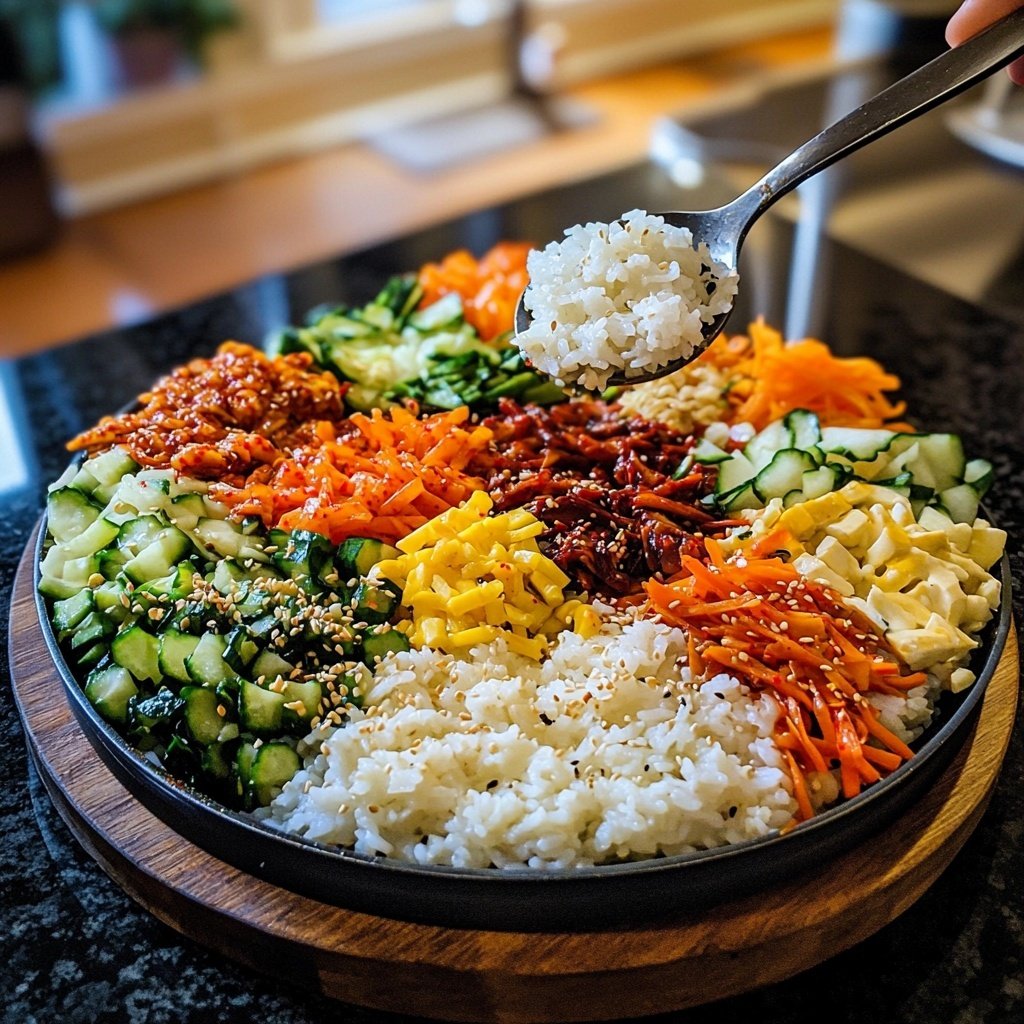
Korean Bibimbap
Created by: Yasmin Thornton
Recipe Type: Inspired Food
Skill Level: Intermediate
Final Quantity: 4 servings
What You'll Need
For the Bibimbap
- 2 cups cooked white rice
- 1 cup spinach, blanched
- 1 cup bean sprouts, blanched
- 1 carrot, julienned
- 1 zucchini, julienned
- 1 cup shiitake mushrooms, sliced
- 4 eggs
- 1/2 pound ground beef or tofu
- 2 tablespoons gochujang (Korean chili paste)
- Sesame oil
- Soy sauce
- Salt and pepper
How-To Steps
In a skillet, sauté the zucchini, carrots, and shiitake mushrooms separately in a little sesame oil until tender. Season with salt and pepper.
In the same skillet, cook the ground beef or tofu until browned. Add soy sauce and mix well.
In another pan, fry the eggs sunny-side up, keeping the yolk runny.
In a bowl, place a serving of rice, then top with the sautéed vegetables, meat, and a fried egg. Drizzle with gochujang and sesame oil.
Mix everything together before eating for the best flavor experience!
Extra Tips
- Feel free to add or swap any vegetables based on your preference. For a vegetarian version, omit the beef and add more vegetables or tofu.
Nutritional Breakdown (Per Serving)
- Calories: 500 kcal
- Total Fat: 22g
- Saturated Fat: 5g
- Cholesterol: 195mg
- Sodium: 600mg
- Total Carbohydrates: 60g
- Dietary Fiber: 5g
- Sugars: 6g
- Protein: 20g