DIY Chicken Run With Roof
Highlighted under: Rustic Food
I love spending time in my backyard, and building a DIY chicken run has been a rewarding experience for me. Creating a safe space for my chickens not only gives them room to roam but also brings vibrant life to my garden. I wanted to ensure they were protected from the elements, which is why I decided to add a roof to my chicken run. This project was not just fun, but it also provided an opportunity to get creative with materials and design while ensuring my feathered friends are secure.
When I set out to build my chicken run, I knew it had to be both functional and aesthetically pleasing. After researching different designs, I found that a roof was essential for protection against rain and predators. I decided to use a combination of wood and wire fencing, which not only keeps my chicks safe but also allows for ventilation. The process taught me the importance of planning the layout before diving in, which saved me loads of time and effort.
As I constructed the chicken run, I experimented with several roofing materials, initially considering plastic sheets but ultimately opting for durable plywood. It has withstood the test of time and weather beautifully. Taking the time to carefully measure and cut the materials made all the difference, resulting in a sturdy structure that I am proud to show off to friends and family.
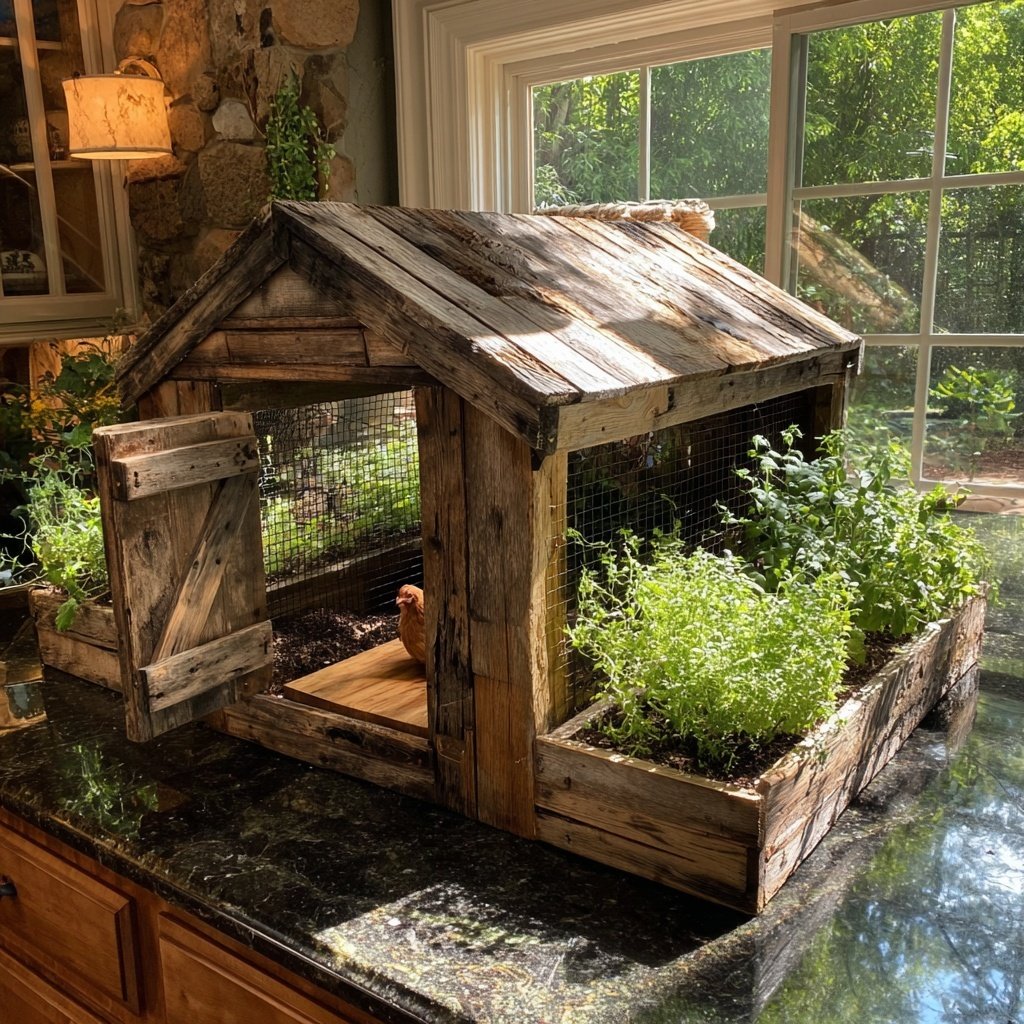
Why You'll Love This Chicken Run
- Provides ample space for your chickens to roam and exercise
- Protects your flock from the weather and potential predators
- Customizable design that can fit any backyard space
Choosing the Right Location
Selecting the ideal location for your chicken run is crucial for your flock's health and well-being. Look for a spot that receives a good amount of sunlight without being overly exposed. Ideally, the area should have some natural shade from nearby trees or structures to protect your chickens from the heat during summer. Additionally, avoid low-lying areas that could accumulate rainwater, creating a muddy environment, which is unhealthy for your birds.
It's also beneficial to consider the ground surface. Grass or dirt are preferable because they provide a natural foraging environment for your chickens. If the ground is uneven, taking the time to level it before setting your posts will minimize the need for additional adjustments later on. A flat, stable foundation prevents your run from shifting over time and keeps the structure secure.
Material Selection Tips
When it comes to building your chicken run, selecting the right materials is key. Wire fencing should ideally be galvanized to resist rust and wear over time. Choose a gauge that is strong enough to deter potential predators but easy to work with. A 14-gauge wire fencing strikes a good balance between durability and manageability for DIY projects.
For the wooden posts, ensure you use pressure-treated timber, as it is designed to withstand exposure to moisture and pests. Using concrete to secure the posts not only reinforces the structure but also prevents leaning over time. If you're in a particularly cold climate, consider adding insulation to the roof or additional coverings to offer extra protection during winter months.
Enhancing Chicken Run Design
A well-designed chicken run can enhance the quality of life for your flock. Incorporating various elements, such as perches and dust baths, can stimulate their natural behaviors, promoting happy and healthy chickens. Perches can be installed at different heights to allow your chickens to exercise their flying instincts, while a simple dust bath can be created using a shallow container filled with sand or dirt to keep them clean and free of parasites.
To add further enrichment, consider planting chicken-friendly herbs like basil or mint around the edges of the run. Not only do these plants provide a tasty treat for your hens, but they can also help deter pests naturally. If you're looking to keep your chickens entertained, scattering treats around the run encourages foraging activity, giving them both exercise and mental stimulation.
Ingredients
Gather the following materials before starting your project:
Materials Needed
- Wire fencing
- Wooden posts
- Plywood sheets for the roof
- Hinges for the door
- Screws and nails
- Wooden planks for framing
- Concrete mix for securing posts
Ensure you have all your tools ready, including a saw, hammer, drill, and measuring tape.
Instructions
Follow these steps to create a sturdy chicken run with a roof:
Create the Foundation
Begin by selecting a level area in your yard. Use wooden posts to outline the perimeter. Dig holes for the posts and secure them with concrete.
Install the Wire Fencing
Attach the wire fencing to the wooden posts, ensuring there are no gaps where chickens could escape or predators could enter.
Construct the Roof Frame
Build a frame for the roof using additional wooden planks. Measure according to the run's dimensions.
Attach the Roof
Secure the plywood sheets to the roof frame, ensuring it is well-fixed to withstand wind and rain.
Create an Access Door
Install hinges to create a door that allows easy access to your chickens while keeping them secure.
Make sure to check the run regularly to ensure it's safe and secure for your chickens.
Pro Tips
- Consider painting the wooden parts with a non-toxic sealant to prolong their life. Regularly inspect the run and make any necessary repairs promptly.
Protecting Against Predators
One major concern when housing chickens is protection against predators. Ensure that your wire fencing extends at least 12 inches underground to prevent animals from burrowing into the run. Additionally, an overhead roof acts as a safeguard against hawks and other aerial threats. If you choose to secure the top with a netting or of further solid materials, ensure that there are no gaps where creatures might slip through.
Before finalizing your design, take a look around your property to assess potential risks. Is there nearby brush or trees that could provide cover for predators? If so, you might want to clear some of that out or reinforce your run in those areas to ensure your chickens remain safe.
Seasonal Maintenance Tips
Regular maintenance is essential for a chicken run's longevity and the health of your chickens. Each season, check for any signs of wear or damage, especially after severe weather conditions. Replace any broken or rusted materials promptly before hens can escape or predators can enter. Spring is an ideal time to deep clean the run, removing old bedding and any accumulated debris to promote a healthy environment.
Fall is also a good time to inspect your roof for any leaks and reinforce its structure if necessary. If you live in a snowy region, pay special attention to the roof's integrity in winter; ensure it can handle the weight of accumulated snow without collapsing. Regular upkeep can help avoid hefty repairs later on and ensure your chickens remain comfortable year-round.
Final Touches and Decor
Adding personal flare to your chicken run can make it not only functional but also aesthetically pleasing. Whether it’s painting the wooden posts or incorporating decorative elements such as signage or themed garden decor, putting your personal touch on the chicken run can be satisfying. You might also introduce some plants around your run for both visual appeal and added benefits for your hens.
Consider utilizing natural barriers, like a flowerbed or decorative stones, to enhance the aesthetics while providing some extra protection. By combining form and function, your DIY chicken run can become a charming addition to your backyard, all while creating a safe and enjoyable space for your feathered friends.
Questions About Recipes
→ How much space does each chicken need in the run?
Each chicken should have at least 4 square feet of space within the run.
→ What type of roof is best for a chicken run?
A solid roof, like plywood, provides better protection from the elements compared to plastic sheeting.
→ How can I ensure my run is predator-proof?
Burrow the fencing deep into the ground and make sure there are no gaps or weak points in the structure.
→ How often should I clean the chicken run?
Cleaning the run at least once a week helps control odors and keeps your chickens healthy.
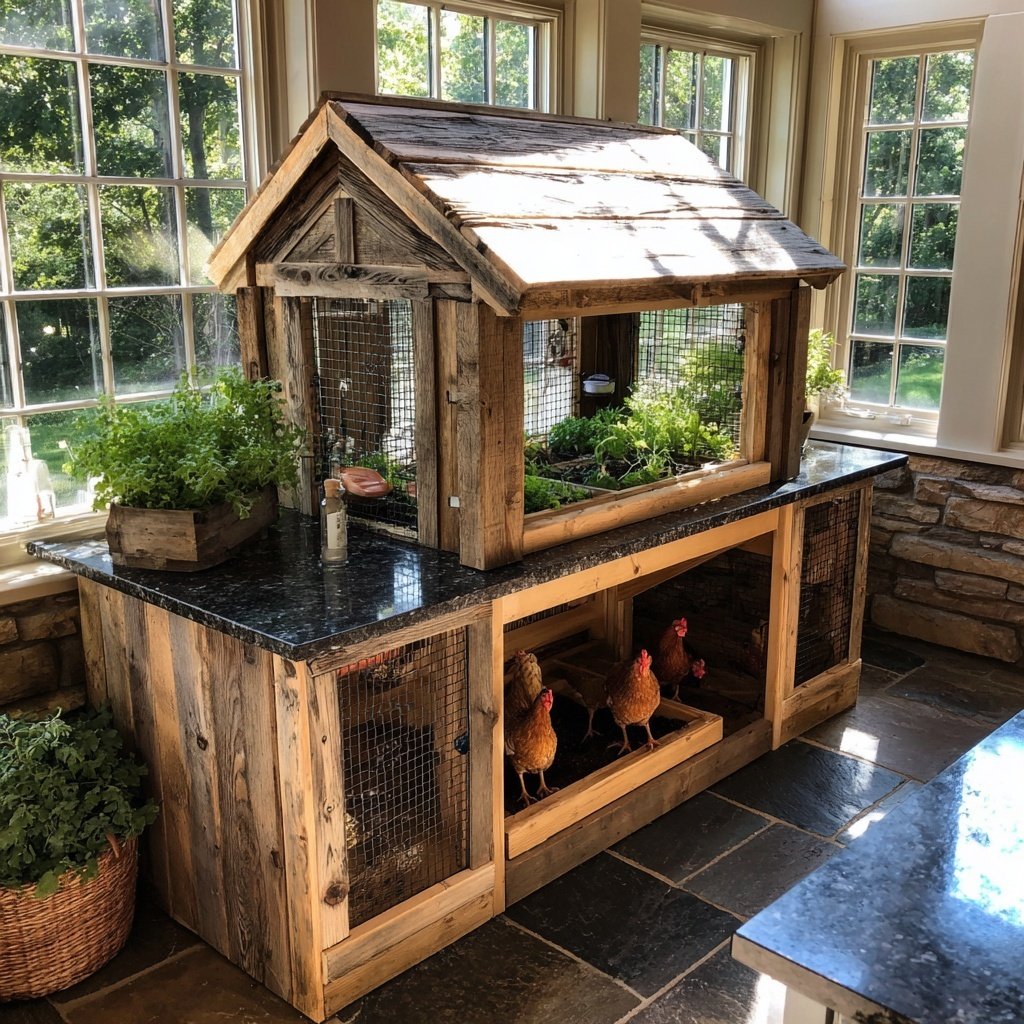
DIY Chicken Run With Roof
Created by: Yasmin Thornton
Recipe Type: Rustic Food
Skill Level: Intermediate
Final Quantity: 1 chicken run
What You'll Need
Materials Needed
- Wire fencing
- Wooden posts
- Plywood sheets for the roof
- Hinges for the door
- Screws and nails
- Wooden planks for framing
- Concrete mix for securing posts
How-To Steps
Begin by selecting a level area in your yard. Use wooden posts to outline the perimeter. Dig holes for the posts and secure them with concrete.
Attach the wire fencing to the wooden posts, ensuring there are no gaps where chickens could escape or predators could enter.
Build a frame for the roof using additional wooden planks. Measure according to the run's dimensions.
Secure the plywood sheets to the roof frame, ensuring it is well-fixed to withstand wind and rain.
Install hinges to create a door that allows easy access to your chickens while keeping them secure.
Extra Tips
- Consider painting the wooden parts with a non-toxic sealant to prolong their life. Regularly inspect the run and make any necessary repairs promptly.